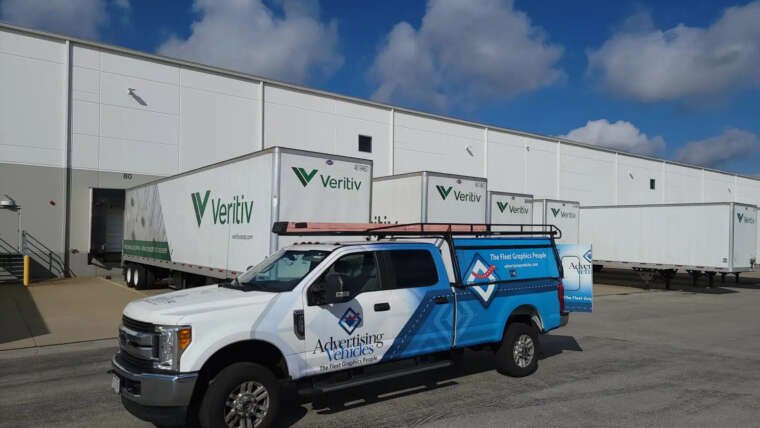

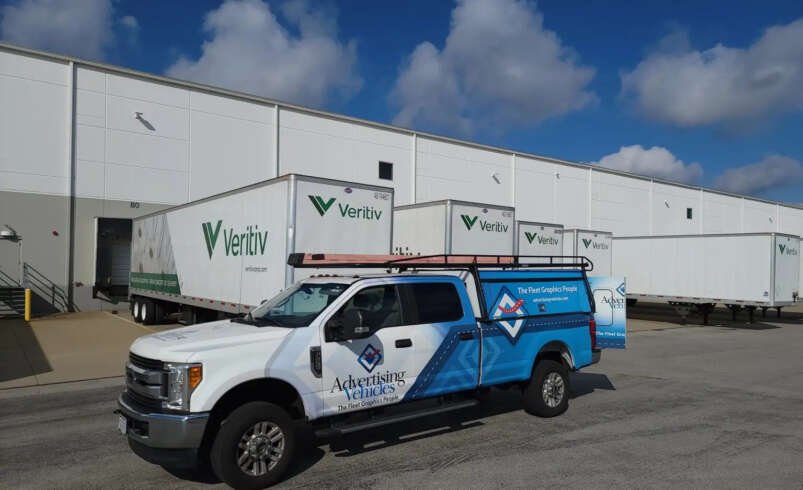

A company’s commercial vehicles are often seen by customers throughout the day. Service vans, trucks, and other fleet vehicles can therefore become an important part of a business’s visual identity. A consistent graphics program can help businesses present the same professional brand across vehicles, locations, and teams.
Why Fleet Branding Requires Planning
Putting a logo on a vehicle is relatively simple. Creating a consistent appearance across an entire fleet requires more planning.
Different vehicles have different body shapes, sizes, doors, windows, and usable graphic areas. A design that works well on one van may need adjustments before it is applied to a truck or another vehicle type.
A successful fleet branding program should maintain the core identity of the business while adapting the design to different vehicles.
Businesses should establish clear brand guidelines before beginning a large graphics project. These guidelines can cover logos, colors, typography, contact information, imagery, and other visual elements.
Selecting the Right Graphics Format
There is no single graphics solution that works for every commercial fleet.
Some businesses may benefit from full wraps because they want extensive coverage. Others may prefer partial wraps or decals for a simpler branding approach.
The decision should consider the vehicle type, desired coverage, branding objectives, operating environment, and long-term fleet plans.
Companies can review different vehicle graphics options when determining which approach best fits their fleet.
What Large Fleets Should Consider
Managing graphics for a large fleet involves more than creating artwork. Production, scheduling, installation, communication, and quality consistency all become important as the number of vehicles increases.
A fleet may also operate across multiple cities or states. In that situation, businesses need a process that keeps the graphics consistent even when vehicles are being handled at different times or locations.
For larger commercial fleets, the provider’s ability to coordinate the overall program can be as important as the quality of an individual vehicle wrap.
Production standards should remain consistent from one vehicle to the next. Installation should follow the approved design, and any changes should be documented so future vehicles can maintain the same appearance.
Planning for Fleet Changes
Commercial fleets are constantly changing. Vehicles may be replaced, sold, reassigned, or updated. Companies can also change their branding as their businesses evolve.
This makes removal and rebranding part of the larger fleet graphics lifecycle.
Advertising Vehicles provides fleet rebrand management along with production, installation, and removal services.
Planning for these requirements before the first vehicle is wrapped can make future updates easier to manage.
Why Production and Installation Matter
Design gets much of the attention in vehicle branding, but production and installation determine how that design appears on the finished vehicle.
Graphics need to be produced according to the approved specifications, while installation requires careful attention to vehicle contours, seams, handles, doors, and other features.
For businesses managing larger programs, a defined production and installation process can help reduce inconsistencies between vehicles.
Businesses evaluating providers can review national fleet graphics services when their requirements extend across multiple markets.
Creating a Long-Term Fleet Branding Strategy
Fleet graphics work best when they are treated as an ongoing branding program rather than a one-time purchase.
Before starting a project, businesses should consider:
- Which vehicles need graphics
- How the brand should appear across different vehicle types
- Whether full, partial, or decal-based graphics are appropriate
- How production will be managed
- Where installation will take place
- What happens when vehicles are replaced
- How graphics will be removed
- How future rebranding will be handled
A clear plan can help businesses maintain a consistent appearance as their fleet changes over time.
Final Thoughts
Commercial vehicle graphics can turn a working fleet into a consistent extension of a company’s brand. The key is to think beyond the initial wrap and consider the complete lifecycle of the graphics.
Businesses with larger fleets should evaluate design, production, installation, removal, rebranding, and coordination before selecting a provider. A well-organized process can make it easier to maintain brand consistency as vehicles and operating locations change.