
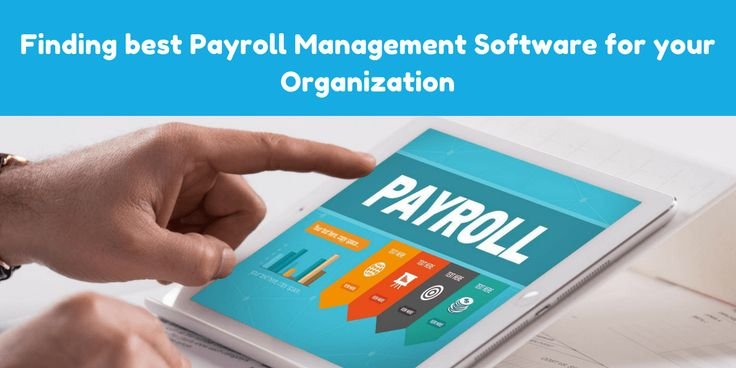

Payroll management has become more complex as businesses grow and workforce structures become more diverse. Managing salaries, attendance, leave, deductions, reimbursements, taxes, compliance, and employee records manually can take significant time and effort. For many organizations, spreadsheets and manual calculations are no longer efficient enough to manage these responsibilities.
This is why businesses are increasingly adopting payroll software in 2026. Modern payroll solutions help organizations automate repetitive payroll tasks, improve accuracy, simplify reporting, and provide employees with easier access to their payroll information.
For businesses operating in major commercial cities, choosing the right payroll solution is especially important. Companies looking for payroll software in Mumbai need a solution that can support their workforce, simplify payroll processing, and help them manage payroll requirements efficiently.
What Is Payroll Software?
Payroll software is a digital solution that helps businesses automate and manage their payroll processes. Instead of calculating salaries manually or maintaining multiple spreadsheets, HR and finance teams can manage payroll information through a centralized platform.
Depending on the solution, payroll software can help businesses manage employee salary structures, attendance, leave, deductions, reimbursements, bonuses, payslips, payroll reports, and compliance-related information.
By bringing these activities into one system, businesses can reduce repetitive administrative work and make payroll processing more organized.
Why Are Businesses Switching to Payroll Software in 2026?
There are several reasons why businesses are moving away from traditional payroll processes. Increasing workforce sizes, changing employee expectations, compliance requirements, and the need for faster reporting have made payroll automation increasingly important.
1. Reducing Manual Payroll Work
Traditional payroll processing often involves spreadsheets, manual calculations, multiple files, and repeated data entry. HR teams may need to collect attendance information, check leave records, calculate deductions, verify salary structures, and prepare payslips every month.
As the number of employees increases, these tasks become more time-consuming.
Payroll software can automate many of these repetitive activities. Once employee information and salary structures are configured, the system can use the available data to support the payroll processing cycle.
This allows HR teams to spend less time on repetitive calculations and more time on activities that contribute to employee experience and business growth.
2. Improving Payroll Accuracy
Payroll errors can affect both employees and the organization. Incorrect salary calculations, missed deductions, inaccurate attendance information, or incorrect overtime calculations can result in additional work for HR teams.
Payroll software can help reduce these errors by automating calculations based on predefined rules and employee information.
Automation does not remove the need for HR review, but it can significantly reduce errors associated with repetitive manual calculations.
For organizations looking for payroll software in Mumbai, accuracy becomes particularly important when managing large teams with different salary structures, departments, and payroll requirements.
3. Simplifying Compliance Management
Payroll compliance is an important responsibility for businesses. Organizations need to ensure that applicable statutory deductions and payroll processes are handled correctly.
Managing these requirements manually can become difficult, particularly when the business has a growing workforce.
Modern payroll software can help organize payroll-related compliance processes by providing configured calculations, reports, and records.
Businesses should ensure that their selected payroll solution is regularly updated according to applicable regulations and that their payroll processes are reviewed when requirements change.
4. Providing Employee Self-Service
Employees often need access to payslips, salary information, tax-related documents, and other payroll details.
Without employee self-service functionality, employees may need to contact HR for routine requests. This increases the administrative workload for HR teams.
Many modern payroll systems provide employee self-service capabilities, allowing employees to access relevant payroll information through a centralized platform.
This can improve transparency while reducing the number of routine payroll-related queries received by HR.
5. Connecting Attendance With Payroll
Attendance and payroll are closely connected. Employee attendance, leave, overtime, and other work-related information can affect payroll calculations.
When attendance and payroll are managed separately, HR teams may have to manually transfer information from one system to another.
Payroll software with attendance and leave integration can help reduce this manual work. Relevant attendance and leave information can be incorporated into payroll calculations based on the company’s configured policies.
This creates a smoother payroll workflow and reduces unnecessary data entry.
6. Faster Monthly Payroll Processing
Monthly payroll can become a lengthy process when HR teams collect information from different sources.
Payroll software provides a centralized environment where employee data, salary structures, attendance information, deductions, and other payroll inputs can be managed.
Automating these processes can help HR teams complete payroll activities more efficiently.
For growing companies, this can be particularly valuable because the payroll workload can increase significantly as more employees join the organization.
7. Better Payroll Reporting
Payroll data provides valuable information about workforce costs and employee compensation.
Businesses may need reports related to salary expenses, deductions, reimbursements, departments, payroll summaries, and other payroll metrics.
Preparing these reports manually can take considerable time.
Payroll software can provide centralized payroll data and reporting capabilities, allowing HR and finance teams to access relevant information more efficiently.
Better reporting can also help management understand workforce costs and make informed business decisions.
8. Improved Payroll Data Security
Payroll information is sensitive because it includes employee salary details and personal information.
Maintaining payroll information across spreadsheets, emails, and different files can create challenges related to access and data management.
A centralized payroll system can provide role-based access and controlled visibility, allowing organizations to manage who can access specific payroll information.
Businesses should evaluate security controls, user permissions, data protection practices, backup procedures, and other security features before selecting a payroll solution.
9. Supporting Business Growth
A payroll process that works for a small team may become difficult to manage when the organization grows.
As employee numbers increase, payroll teams need to process more salary records, attendance information, deductions, reimbursements, and other payroll inputs.
Payroll software can provide a scalable system for managing these growing requirements.
This makes payroll automation useful not only for large organizations but also for startups and small businesses that expect to expand their workforce.
10. Managing Employees Across Multiple Locations
Businesses are no longer limited to a single office location. Companies may have employees working from different branches, cities, or remote locations.
Managing payroll across multiple locations using separate spreadsheets can create inconsistencies and additional administrative work.
A centralized payroll platform allows organizations to manage employee payroll information through a unified system.
For businesses operating across different parts of India, this can make payroll administration more consistent and manageable.
How to Choose the Right Payroll Software
Businesses should carefully evaluate their requirements before selecting payroll software. The right solution should not only address current payroll needs but also support future growth.
One of the first things to consider is automation. The software should be able to simplify repetitive payroll activities and reduce unnecessary manual calculations.
Businesses should also consider attendance and leave integration. Connecting attendance and payroll can reduce duplicate data entry and make monthly payroll processing more efficient.
Compliance support is another important factor. Organizations should check whether the software supports applicable payroll requirements and receives regular updates.
Employee self-service can also provide significant value. Employees should be able to access relevant payroll information without depending on HR for every routine request.
Businesses should also evaluate reporting capabilities. Payroll reports can help HR and finance teams understand salary costs and manage payroll information more effectively.
Finally, organizations should consider security, usability, scalability, integrations, and customer support before making a decision.
Why Payroll Software Is Important for Businesses in Mumbai
Mumbai is one of India’s major business and financial centers, with organizations ranging from startups and small businesses to large enterprises and multinational companies.
These businesses can have very different payroll requirements depending on their workforce size, industry, salary structures, and operational model.
Businesses searching for payroll software in Mumbai should therefore focus on finding a solution that can adapt to their specific requirements.
A good payroll system should make salary processing easier while also supporting attendance management, employee information, payroll reporting, compliance processes, and employee self-service.
Companies should avoid choosing software solely based on price. Instead, they should evaluate how well the platform fits their payroll workflow and whether it can continue supporting the organization as it grows.
Payroll Software vs. Manual Payroll
Manual payroll can work for very small businesses with a limited number of employees and simple salary structures. However, the challenges increase as the workforce grows.
With manual payroll, HR teams may spend considerable time maintaining spreadsheets, checking calculations, updating employee information, preparing reports, and correcting errors.
Payroll software can automate many of these activities and provide a centralized system for managing payroll information.
The biggest advantage is not simply faster salary calculation. It is the ability to create a more structured payroll process where employee data, attendance, salary information, deductions, reports, and payroll records can be managed efficiently.
The Future of Payroll Software in 2026
Payroll is increasingly becoming part of a broader HR technology ecosystem.
Businesses are looking for solutions that connect payroll with employee management, attendance, leave, expenses, reporting, and other HR processes.
Automation is expected to remain a major focus as organizations look for ways to reduce administrative work and improve operational efficiency.
Employee expectations are also changing. Employees want faster access to payslips, payroll information, and important documents without having to depend entirely on HR teams.
As a result, payroll software is becoming more than a tool for salary calculation. It is becoming an important part of modern HR management.
Conclusion
Businesses are switching to payroll software in 2026 because traditional payroll processes can become difficult to manage as organizations grow. Manual calculations, spreadsheets, repetitive data entry, reporting requirements, compliance responsibilities, and employee queries can consume significant HR and finance resources.
Payroll software can help businesses automate repetitive activities, improve payroll accuracy, simplify reporting, strengthen data management, and provide employees with better access to payroll information.
For businesses looking for payroll software in Mumbai, the most important step is to select a solution that fits their current requirements while providing the flexibility to support future growth.
With the right payroll system, businesses can build a more efficient, organized, and reliable payroll process while allowing HR teams to focus on more strategic responsibilities.