

Choosing new dentures is an important decision that can improve your ability to eat, speak, and smile with confidence. If you are looking for a reliable denture clinic in Peterborough, understanding the denture process, available options, and aftercare can help you make an informed choice.
Modern dentures are designed to provide a comfortable fit and natural appearance. Whether you need complete dentures, partial dentures, or replacement dentures, a professional assessment is the best starting point.
What Are Dentures?
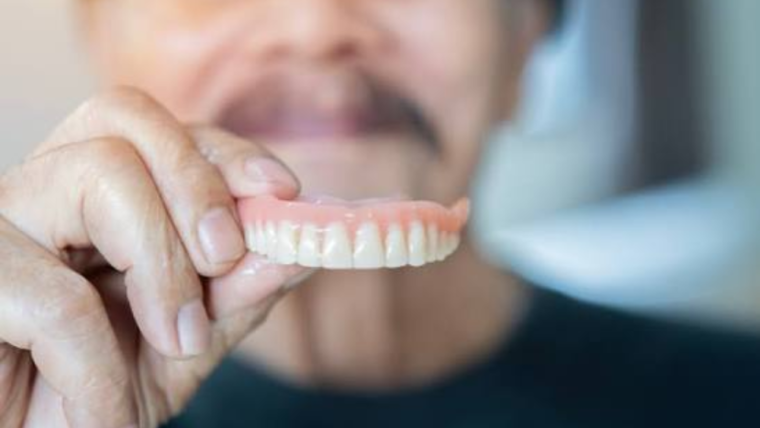
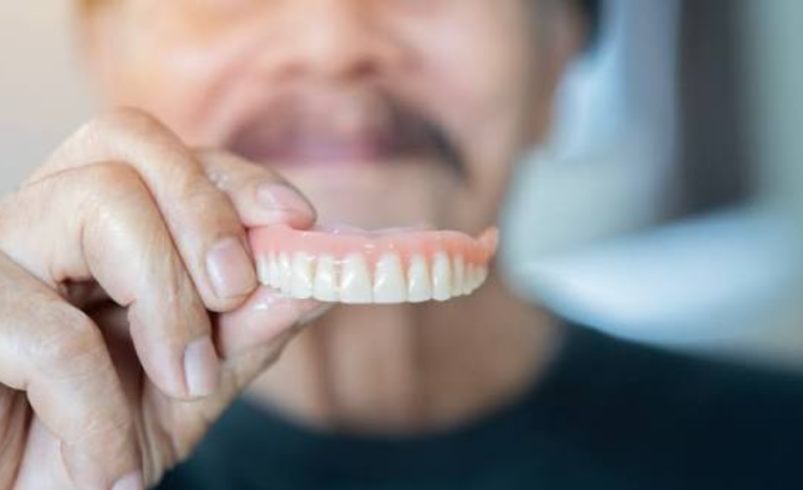
Dentures are removable dental appliances used to replace missing teeth. They are individually designed to fit the shape of your mouth and restore some of the functions affected by tooth loss.
There are two main types of dentures:
- Full dentures: Replace all the teeth in the upper or lower jaw.
- Partial dentures: Replace several missing teeth while working alongside your remaining natural teeth.
A dental professional can assess your oral health and recommend the most appropriate option based on the number of teeth missing, your gum health, lifestyle and personal preferences.
When Might You Need New Dentures?
Dentures can become worn or less comfortable over time. Changes in the gums and jawbone may also affect how securely they fit.
You may need new dentures if your existing set:
- Feels loose or moves when eating or speaking
- Causes repeated irritation or sore areas
- Has become cracked, damaged or worn
- No longer fits comfortably
- Makes chewing difficult
- Looks noticeably different from your natural teeth
- Has become difficult to clean effectively
If your dentures no longer feel comfortable or secure, it is worth arranging a professional assessment rather than continuing to use an unsuitable set.
Choosing a Denture Clinic in Peterborough
Finding the right clinic is one of the most important steps when getting new dentures. A professional provider should take the time to understand your requirements before recommending a solution.
When comparing a denture clinic Peterborough, consider factors such as experience, the range of denture options offered, fitting procedures, aftercare, and adjustment services.
It can also be useful to ask questions during your consultation, including:
- Which type of denture is suitable for me?
- How will my dentures be designed and fitted?
- What materials are available?
- How long will the process take?
- Will adjustments be available after fitting?
- How should I care for my new dentures?
Clear communication can help ensure that your expectations and treatment plan are properly understood.
What to Expect When Getting New Dentures
The process of receiving new dentures typically involves several stages. Your dental or denture professional will begin by examining your mouth and discussing your needs.
1. Initial Assessment
Your mouth, gums and remaining teeth will be assessed. This helps determine whether full or partial dentures are appropriate and whether any existing oral health concerns need attention first.
2. Measurements and Impressions
Accurate measurements or impressions of your mouth are taken to help create dentures that fit your individual anatomy. Some modern clinics may also use digital scanning technology.
3. Denture Design
Your professional will consider factors such as tooth shape, size and colour when designing your dentures. The aim is to achieve a natural appearance while providing practical support for everyday activities.
4. Fitting and Adjustments
Once your dentures are ready, they will be fitted and checked. Minor adjustments may be required to improve comfort, stability and function.
Follow-up care is particularly valuable because your mouth may need time to adapt to the new dentures.
Full Dentures or Partial Dentures: Which Is Right for You?
The right type of denture depends on your individual dental situation.
Full dentures are generally used when all teeth in a particular arch are missing. They are removable and designed to sit comfortably over the gums.
Partial dentures are suitable when some natural teeth remain. They can fill visible gaps and help restore chewing function while working with the remaining teeth.
Your dental professional can explain the advantages and limitations of each option and help you understand what is likely to work best for your needs.
Adjusting to Your New Dentures
It can take some time to become accustomed to a new set of dentures. During the initial adjustment period, you may notice that speaking and eating feel different.
Start by eating softer foods and gradually introduce foods with different textures as you become more comfortable. Cutting food into smaller pieces and chewing evenly can also make eating easier.
You may also notice changes in your speech. Reading aloud or practising conversations can help you become more familiar with the way your new dentures feel.
If discomfort continues or your dentures repeatedly slip, arrange a follow-up appointment. Persistent problems may indicate that an adjustment is needed.
How to Care for Your New Dentures
Proper maintenance can help keep your dentures clean and comfortable while supporting good oral hygiene.
A good daily routine should include:
- Rinsing dentures after meals
- Cleaning them regularly with a suitable denture brush
- Cleaning your gums, tongue and any remaining natural teeth
- Handling dentures carefully to prevent accidental damage
- Storing them correctly when they are not being worn
- Following your dental professional’s cleaning recommendations
Avoid using very hot water because heat can potentially distort denture materials. It is also important to avoid harsh cleaning products unless specifically recommended by your dental professional.
Should You Sleep With Your Dentures?
Many people are advised to remove their dentures at night. Removing them gives the tissues in your mouth an opportunity to rest and allows you to clean the dentures properly.
However, individual circumstances can differ. Your dental professional can provide specific advice based on your oral health and type of dentures.
If you have been instructed to wear your dentures overnight for a particular reason, follow the advice provided by your dental professional.
What If Your Dentures Become Loose?
Loose dentures can affect confidence and make everyday activities such as eating and speaking more difficult. They may also cause irritation if they move repeatedly against the gums.
Do not attempt to reshape or repair your dentures yourself. A professional can assess the fit and determine whether an adjustment, repair, reline or replacement is appropriate.
Changes in the shape of your gums and jaw over time can contribute to changes in denture fit, which is why professional reviews are important.
The Importance of Professional Aftercare
Getting your dentures fitted is not necessarily the end of the process. Follow-up appointments allow your provider to assess comfort and make adjustments where required.
Regular dental examinations are also important, particularly if you have remaining natural teeth. Your oral health can change over time, and these changes may affect the way your dentures fit.
Professional aftercare can help identify problems early and ensure that your dentures continue to meet your needs.
How Long Do Dentures Last?
The lifespan of dentures varies from person to person. How long they remain suitable can depend on factors such as wear, changes in the mouth, cleaning habits and how frequently they are used.
Even if dentures appear to be in good condition, they may eventually require adjustment or replacement because your mouth can change over time.
Rather than replacing dentures based solely on age, it is better to seek professional advice if they become uncomfortable, damaged, loose or difficult to use.
Why Choose a Professional Denture Clinic Peterborough?
New dentures should be more than a cosmetic replacement for missing teeth. They should provide a practical, comfortable and personalised solution for your everyday needs.
Choosing an established denture clinic Peterborough allows you to benefit from professional assessment, personalised fitting and ongoing support. A carefully fitted set of dentures can help restore essential functions while giving you greater confidence in your smile.
Before choosing a provider, take the time to discuss your expectations, treatment options, fitting process and aftercare requirements.
Conclusion
New dentures can make a meaningful difference to your everyday life, particularly if missing or damaged teeth have affected your confidence, speech or ability to eat comfortably. However, achieving the best results depends on having dentures that are properly designed, fitted and maintained.
If your existing dentures are uncomfortable, loose or damaged, or you are considering dentures for the first time, a professional consultation is an important first step. By choosing a reputable Denture Clinic Peterborough and following appropriate aftercare advice, you can work towards dentures that look natural, feel comfortable and support your daily routine.