

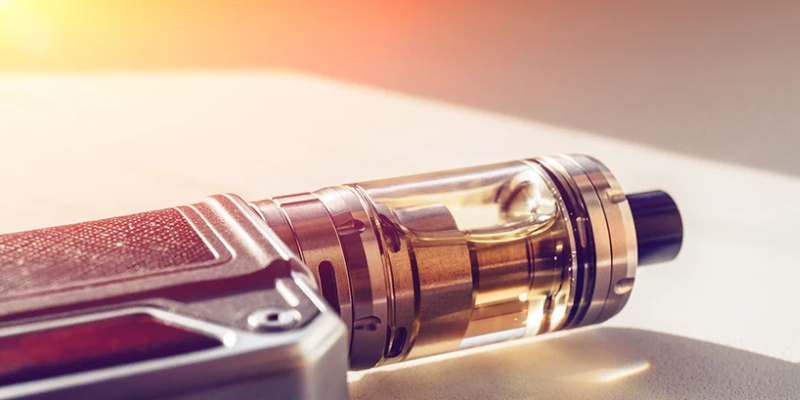

When it comes to vaping, many people focus on choosing the right device or e-liquid, but one component often has the biggest influence on the overall experience the vape tank. A vape tank is responsible for storing e-liquid and delivering it to the heating coil, where it is transformed into vapour. The design, size, airflow, and compatibility of a vape tank all play an important role in determining both flavour quality and vapour production.
Whether you’re new to vaping or looking to better understand how different components work together, learning how vape tanks affect performance can help you make more informed choices.
What Is a Vape Tank?
A vape tank is the section of a vape device that holds e-liquid and houses the atomizer coil. As the coil heats up, it vaporizes the liquid, creating the inhalable vapour. Modern vape tanks come in various sizes and designs, each engineered for different vaping styles.
Some tanks are designed to maximize flavour, while others prioritize large vapour clouds. The right choice depends on your personal preferences and the type of vaping experience you’re looking for.
Why Vape Tanks Matter
The vape tank acts as the bridge between your e-liquid and the heating system. Even if you’re using a premium e-liquid and a powerful vape mod, an unsuitable tank can reduce flavour intensity or limit vapour production. Learning about different tank designs before purchasing from an online vape shop can help you select equipment that matches your preferred vaping style and delivers better overall performance.
Several factors influence performance, including:
- Airflow design
- Coil compatibility
- Tank capacity
- Chimney size
- Wicking efficiency
- Drip tip design
Each of these elements contributes to how the vapour feels, tastes, and performs.
Airflow Design and Flavour
Airflow is one of the biggest factors affecting flavour. Most vape tanks include adjustable airflow, allowing users to customize their inhale.
Restricted Airflow
A tighter airflow generally creates:
- More concentrated flavour
- Warmer vapour
- A tighter draw similar to smoking
Because less air mixes with the vapour, flavour compounds remain more concentrated, producing a richer taste.
Open Airflow
A more open airflow typically provides:
- Larger vapour clouds
- Cooler vapour
- Easier inhalation
However, increasing airflow too much can dilute flavour slightly since more air mixes with the vapour before inhalation.
Finding the right airflow setting often involves balancing flavour intensity with cloud production.
Coil Compatibility Makes a Difference
The tank determines which coils you can use, making coil compatibility extremely important.
High-Resistance Coils
Higher-resistance coils usually:
- Operate at lower wattages
- Produce less vapour
- Preserve e-liquid
- Deliver consistent flavour
These coils are commonly used in mouth-to-lung (MTL) tanks.
Low-Resistance (Sub-Ohm) Coils
Sub-ohm coils are designed for:
- Higher wattage
- Increased vapour production
- Larger clouds
- Faster heating
These coils often produce bold flavour because they vaporize more e-liquid with every puff.
The vape tank must support the specific coil type to achieve optimal performance.
Tank Size and Performance
Tank capacity doesn’t directly improve flavour, but it affects convenience and consistency.
Smaller tanks may require frequent refilling, especially when using high-powered devices.
Larger tanks:
- Reduce refill frequency
- Maintain consistent liquid supply
- Support longer vaping sessions
However, larger tanks can also make devices bulkier and heavier.
The best capacity depends on individual vaping habits.
Wicking Efficiency
Inside every tank, cotton wicks transport e-liquid from the reservoir to the heating coil.
A well-designed tank ensures continuous saturation.
Efficient wicking helps:
- Prevent dry hits
- Improve flavour consistency
- Maintain smooth vapour production
- Reduce burnt tastes
Poor wicking can interrupt liquid flow, causing unpleasant flavours and inconsistent performance.
Chimney Design
The chimney is the pathway vapour travels before reaching your mouth.
Shorter chimneys generally preserve flavour because vapour travels a shorter distance.
Longer chimneys may slightly cool the vapour before inhalation.
Manufacturers often fine-tune chimney dimensions to balance:
- Vapour temperature
- Flavour concentration
- Smoothness
Although users rarely think about chimney design, it significantly affects the overall vaping experience.
Drip Tips Also Influence Vapour
The drip tip is the mouthpiece attached to the tank.
Narrow drip tips typically:
- Enhance flavour
- Produce a tighter draw
- Work well for MTL vaping
Wide-bore drip tips:
- Increase airflow
- Support larger vapour clouds
- Pair well with sub-ohm tanks
Many tanks allow users to replace drip tips according to personal preference.
Matching Tanks With E-Liquids
Different tanks often perform better with specific e-liquid formulations.
For example:
High-VG e-liquids:
- Produce thicker vapour
- Work best in sub-ohm tanks
- Require larger wick openings
Higher-PG e-liquids:
- Deliver stronger throat hits
- Perform well in MTL tanks
- Flow more easily through smaller wicks
Using an unsuitable e-liquid for a particular tank may reduce flavour quality or lead to leaking and poor performance.
Maintenance Affects Flavour
Even the highest-quality vape tank requires regular maintenance.
Residue from sweetened e-liquids gradually builds up inside the tank and on the coil.
Cleaning the tank regularly helps:
- Preserve flavour accuracy
- Reduce residue buildup
- Prevent contamination between flavours
- Extend coil life
Most users simply rinse removable tank components with warm water and allow them to dry completely before reassembly.
Common Tank Styles
Several tank styles are available, each offering unique advantages.
Mouth-to-Lung (MTL) Tanks
Ideal for:
- Restricted airflow
- Strong flavour
- Lower power devices
- Nicotine salt e-liquids
Sub-Ohm Tanks
Best for:
- Large vapour clouds
- High wattage
- Direct-to-lung vaping
- High-VG e-liquids
Rebuildable Tanks (RTAs)
Popular among experienced users because they allow:
- Custom coil builds
- Personalized airflow
- Tailored flavour production
- Long-term cost savings
Each tank style provides a different balance between convenience, flavour, and vapour output.
Factors Beyond the Tank
Although the tank plays a major role, overall performance also depends on:
- Coil condition
- Device wattage
- Battery performance
- E-liquid quality
- Airflow settings
- User inhalation style
All these components work together to create the final vaping experience.
Choosing the Right Vape Tank
When selecting a vape tank, consider the following questions:
- Do you prioritize flavour or cloud production?
- What type of e-liquid do you prefer?
- How often are you willing to refill?
- Do you enjoy adjustable airflow?
- Are replaceable coils readily available?
Answering these questions can help narrow down the most suitable option.
Final Thoughts
Vape tanks have a significant influence on both flavour and vapour production. Their airflow design, coil compatibility, wicking efficiency, chimney structure, and overall construction determine how effectively e-liquid is transformed into vapour.
Rather than focusing solely on device power, understanding how different tank designs function can help users choose equipment that aligns with their preferences. Whether you enjoy rich flavour, dense vapour clouds, or a balanced combination of both, selecting a compatible tank and maintaining it properly can greatly improve the overall vaping experience.