

Every business wants its brand to look clean, sharp, and professional. Whether it is a logo on a company shirt, a cap, or a jacket, embroidery leaves a lasting impression. However, great embroidery does not begin with the machine. It starts with a properly digitized embroidery file. Without the right file, even the best embroidery machine cannot produce high-quality results.
Many companies invest in branded apparel but overlook the importance of Professional Embroidery Digitizing for Businesses. A professionally digitized design helps create neat stitches, clear lettering, and long-lasting embroidery. It also reduces machine errors and keeps your logo looking the same on every product. This small step plays a big role in protecting your brand image.
In this guide, you will learn why professional embroidery digitizing is important for businesses, how it improves embroidery quality, and why it is a smart investment for companies of every size.
What Is Embroidery Digitizing?
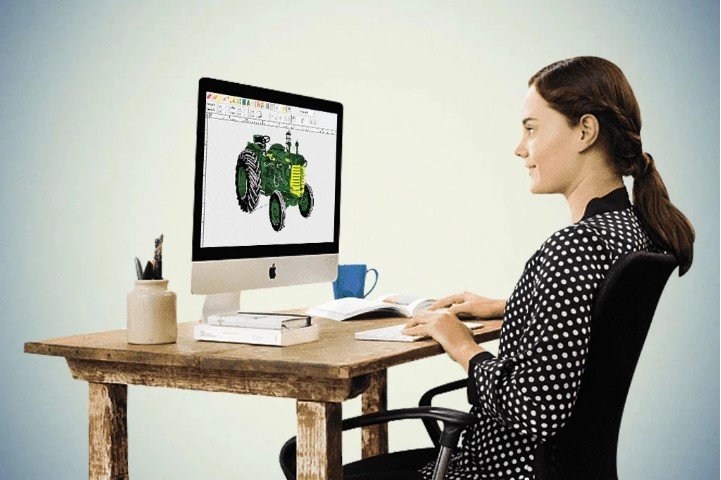
Embroidery digitizing is the process of turning artwork into a file that an embroidery machine can read.
A regular image cannot be stitched directly.
Instead, the design must be converted into stitch instructions.
These instructions tell the machine:
- Where stitches begin
- Where stitches end
- Which stitch types to use
- When to change thread colors
- The stitching order
This process requires skill, planning, and embroidery knowledge.
Why Businesses Need Professional Digitizing
Your logo is one of the most valuable parts of your brand.
Poor embroidery can make even a great logo look unprofessional.
Professional digitizing helps your logo appear clean on every item.
Whether you embroider:
- Uniforms
- Polo shirts
- Hats
- Jackets
- Bags
- Promotional items
A properly digitized file keeps the design consistent.
First Impressions Matter
Customers often notice your branding before anything else.
Neat embroidery creates trust.
Messy embroidery creates doubt.
When employees wear embroidered uniforms with sharp logos, customers see a company that pays attention to detail.
That small detail can improve your business image.
Better Quality Means Better Branding
Professional digitizing focuses on embroidery quality.
Experienced digitizers carefully adjust:
- Stitch direction
- Stitch density
- Underlay
- Pull compensation
- Stitch sequence
These adjustments help create smooth embroidery with clean edges.
The result is a logo that looks professional every time.
Consistency Across Every Product
Businesses often embroider the same logo on different products.
For example:
- Shirts
- Caps
- Hoodies
- Backpacks
- Towels
Each material behaves differently during embroidery.
Professional digitizers prepare files that work well across different fabrics whenever possible.
This keeps your branding consistent.
Why Automatic Digitizing Is Risky
Many online tools promise instant embroidery conversion.
Although they are fast, they rarely produce commercial-quality results.
Automatic software cannot fully understand:
- Fabric movement
- Thread pull
- Stitch flow
- Machine limitations
Because of this, problems often appear during stitching.
Common Issues with Automatic Files
Broken Thread
Poor stitch paths increase thread breaks.
Uneven Fill Areas
Some sections become too thick while others have gaps.
Rough Lettering
Small text often loses its shape.
Extra Machine Stops
Poor sequencing causes unnecessary trims and color changes.
These problems waste both time and money.
Professional Digitizing Saves Money
Some businesses think professional digitizing costs too much.
In reality, it often saves money.
High-quality embroidery files reduce:
- Production delays
- Material waste
- Thread breaks
- Machine downtime
- Rejected products
Better files create smoother production.
Different Fabrics Need Different Settings
Every fabric reacts differently during embroidery.
Professional digitizers adjust each file to match the material.
Stable Fabrics
Examples include:
- Denim
- Canvas
- Twill
These fabrics support detailed stitching well.
Stretch Fabrics
Examples include:
- T-shirts
- Performance wear
- Jersey fabric
These materials require special adjustments to prevent distortion.
Ignoring fabric type often causes poor embroidery.
Small Details Need Expert Planning
Many business logos contain:
- Small letters
- Thin lines
- Fine borders
- Tiny icons
These details require careful stitch planning.
Professional digitizers know when to enlarge small objects or simplify details without changing the overall design.
This keeps logos readable after stitching.
Why Stitch Density Matters
Stitch density controls how closely stitches are placed together.
Too much density can:
- Break thread
- Damage fabric
- Create thick embroidery
Too little density can:
- Leave gaps
- Show the fabric underneath
Finding the right balance is one of the most important parts of digitizing.
The Importance of Pull Compensation
Fabric stretches during embroidery.
Without pull compensation, shapes may become smaller or uneven.
Professional digitizers adjust stitch width to maintain the original logo shape after stitching.
This simple adjustment improves accuracy.
Testing Before Production
Experienced digitizers rarely send a design without testing it.
A sample stitch helps identify:
- Registration problems
- Color issues
- Density errors
- Thread breaks
- Small lettering concerns
Testing saves businesses from expensive production mistakes.
Fast Turnaround with Reliable Results
Businesses often work with deadlines.
Uniform orders, trade shows, and promotional events require quick delivery.
A professionally digitized file helps embroidery machines run smoothly with fewer interruptions.
This improves production speed while maintaining quality.
When Businesses Should Choose Professional Digitizing
Professional digitizing is the best choice for:
- Corporate logos
- Employee uniforms
- School apparel
- Sports teams
- Hospitality businesses
- Retail branding
- Promotional products
- Event merchandise
These projects require consistent embroidery quality.
How Experienced Digitizers Improve Every Design
Professional digitizers combine embroidery knowledge with software skills.
Instead of relying only on automatic tools, they carefully study:
- Artwork quality
- Stitch direction
- Fabric type
- Machine capability
- Thread behavior
Every decision is based on real embroidery experience.
This creates stronger and cleaner embroidery files.
Companies such as Digitizing Buddy focus on preparing machine-ready embroidery files that help businesses produce sharp, professional embroidery with fewer production problems.
Choosing the Right Embroidery Digitizing Partner
Not all digitizing services offer the same quality.
Look for a provider that offers:
- Experienced digitizers
- Fast turnaround
- Quality testing
- File support
- Consistent results
- Good customer service
A reliable partner helps protect your business image.
Experienced providers like Digitizing Buddy understand how different embroidery machines, fabrics, and logo styles work together. Their attention to detail helps businesses achieve consistent embroidery across a wide range of products.
Final Thoughts
Professional embroidery digitizing is much more than converting a logo into an embroidery file. It is the process that determines how your finished embroidery will look, stitch, and last. Clean stitch paths, proper density, correct underlay, and fabric-specific adjustments all help create embroidery that reflects the quality of your business.
For companies that value their brand, professional digitizing is a smart investment. It reduces production problems, improves consistency, saves money over time, and creates embroidered products that customers and employees can wear with confidence. A well-digitized design not only looks better but also strengthens your brand every time it is stitched.