

Understand the Two Main Heating Systems
Before starting a renovation, it’s important to understand the available options.
The two primary systems are:
- Electric radiant heating
- Hydronic radiant heating
Electric systems are commonly used in bathrooms, kitchens, and individual rooms because they are relatively straightforward to install during remodeling.
Hydronic systems circulate warm water through tubing beneath the floor and are often selected for larger homes or whole-house heating applications.
Choosing the right system depends on the scope of the renovation and the home’s existing infrastructure.
Select Compatible Flooring Materials
Not every flooring material transfers heat equally.
Popular choices for heated flooring include:
- Porcelain tile
- Ceramic tile
- Natural stone
- Engineered hardwood
- Luxury vinyl approved for radiant heat
Tile remains one of the most effective options because it conducts and retains heat exceptionally well.
One insider tip professionals often recommend is verifying the manufacturer’s compatibility guidelines before purchasing flooring. Some products are specifically designed to perform better over radiant heating systems.
Plan the Room Layout Carefully
Furniture placement affects how efficiently heated floors operate.
Permanent fixtures such as:
- Large cabinets
- Kitchen islands
- Built-in vanities
- Heavy storage units
are generally avoided during heating element installation because these areas receive little benefit while restricting heat circulation.
Planning the room layout before installation helps maximize efficiency and simplify the installation process.
Prepare the Subfloor Properly
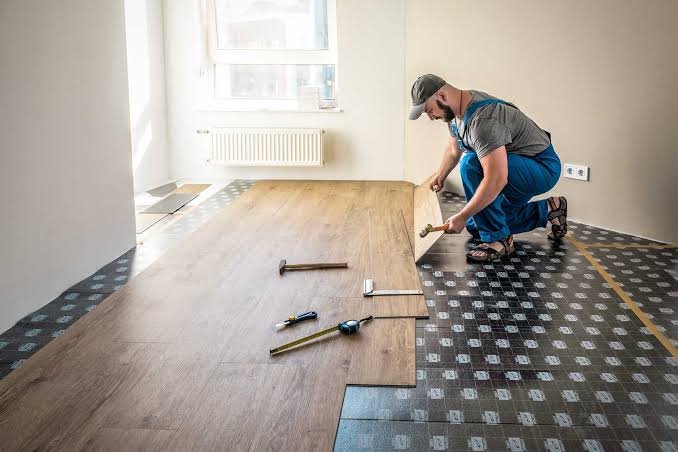
A successful installation begins beneath the finished flooring.
Preparation often includes:
- Cleaning the surface
- Leveling uneven areas
- Repairing damage
- Installing insulation where appropriate
- Adding moisture protection if required
Skipping subfloor preparation can reduce heating performance and shorten the lifespan of the flooring system.
Add Programmable Thermostats
Modern heated flooring systems are commonly paired with programmable controls.
Features may include:
- Scheduled heating
- Temperature adjustments
- Smart home integration
- Vacation settings
- Energy monitoring
A practical observation from many renovation projects is that homeowners appreciate consistent scheduling more than constantly adjusting temperatures manually.
Programmable controls make the system feel almost effortless.
Think Beyond the Bathroom
Bathrooms remain one of the most popular locations for radiant heating, but many homeowners now extend it into additional living spaces.
Suitable rooms include:
- Kitchens
- Laundry rooms
- Entryways
- Primary bedrooms
- Home offices
Installing heated flooring in frequently used areas often provides greater everyday comfort than limiting it to a single room.
Consider Insulation
Proper insulation improves both comfort and efficiency.
Installing insulation beneath the heating system helps direct warmth upward instead of allowing heat to escape below the floor.
This small detail can noticeably improve system performance over time.
One insider tip is to pay particular attention to rooms located above garages or crawl spaces, where insulation plays an even more important role.
Coordinate With Other Renovations
Heated floor installation works especially well during larger remodeling projects.
It can be combined with:
- New flooring
- Bathroom renovations
- Kitchen remodeling
- Interior redesigns
- Whole-home updates
Planning these improvements together reduces disruption and creates a more cohesive finished result.
Homeowners preparing broader renovation projects often gather ideas from resources such as this guide on home remodeling tampa fl, where coordinated planning helps ensure different renovation elements work together seamlessly.
Think About Long-Term Maintenance
Radiant heating systems require relatively little ongoing maintenance, but thoughtful installation remains essential.
Consider:
- Accessible thermostat placement
- Proper documentation of heating layouts
- Manufacturer recommendations
- Professional electrical connections where required
Keeping installation records can simplify future renovations or repairs.
Avoid Common Heated Floor Installation Mistakes
Even carefully planned projects can encounter challenges if important details are overlooked.
Choosing Incompatible Flooring
Always verify compatibility before installation.
Ignoring Room Insulation
Heat performs more efficiently in well-insulated spaces.
Heating Areas Beneath Permanent Cabinets
Focus heating where people actually walk and spend time.
Forgetting Future Floor Height
Radiant systems may slightly increase finished floor thickness.
Rushing Subfloor Preparation
A stable, level surface supports both the heating system and the finished flooring.
Focus on Everyday Comfort
Heated flooring isn’t simply about adding luxury. It improves the overall living experience by creating more even temperatures and making hard flooring surfaces comfortable throughout the year.
The best installations are often the ones homeowners stop thinking about because they quietly provide consistent comfort every day.
Rather than choosing radiant heat because it’s a popular trend, think about how it fits your household’s daily routine and long-term renovation goals.
Conclusion
Heated floor installation is a practical upgrade that combines comfort, efficiency, and modern living. By selecting compatible flooring materials, preparing the subfloor properly, planning room layouts carefully, and using smart temperature controls, homeowners can enjoy a heating system that performs reliably for years.