

Choosing the best lifeguard course is one of the most important steps toward becoming a confident and capable water safety professional. Whether you want to work at a community pool, water park, beach, resort, or aquatic center, quality training prepares you to respond quickly and effectively during emergencies. A well-designed course not only teaches rescue techniques but also builds the confidence and decision-making skills needed to protect lives.
In the United States, employers look for lifeguards who have completed comprehensive training from a recognized organization. The right certification demonstrates that you understand water rescue procedures, CPR, first aid, and emergency response protocols. These skills help you meet employer expectations while making a positive difference in your community.
American Lifeguard USA provides lifeguard training designed to help students develop practical skills through classroom instruction and hands-on practice. Whether you are earning your first certification or renewing an existing one, selecting the right course is the foundation of a successful lifeguarding career.
What Is the Best Lifeguard Course?
The best lifeguard course is a training program that combines classroom learning with practical rescue exercises to prepare participants for real-world emergencies. A quality course focuses on preventing accidents, recognizing risks, and responding effectively when seconds matter.
An excellent lifeguard course typically includes:
- Water rescue techniques
- CPR and AED training
- Adult, child, and infant first aid
- Emergency action planning
- Team communication
- Spinal injury management
- Practical rescue scenarios
- Final skills assessments
Rather than simply helping students pass an exam, the best programs develop the confidence and judgment needed to handle challenging situations around the water.
Why Is Choosing the Best Lifeguard Course Important?
Lifeguards have a significant responsibility. They are often the first responders when someone is injured or struggling in the water. Proper training helps prepare them to react quickly while remaining calm under pressure.
Choosing a high-quality course provides several important benefits:
Better Emergency Response
Training teaches participants how to recognize dangerous situations before they become life-threatening. Early intervention often prevents serious accidents.
Increased Employment Opportunities
Many aquatic facilities prefer candidates who have completed comprehensive lifeguard training from respected organizations. Employers value individuals who demonstrate strong rescue knowledge and professional skills.
Improved Confidence
Hands-on practice helps students become comfortable performing rescues, administering CPR, and providing first aid in stressful situations.
Ongoing Skill Development
A quality course encourages continuous learning and regular practice, helping lifeguards maintain their abilities throughout their careers.
Who Should Enroll in the Best Lifeguard Course?
A lifeguard certification is valuable for many individuals interested in water safety and public service.
The course is ideal for:
High School Students
Many teenagers seek lifeguarding as their first professional job. It provides valuable work experience while teaching leadership and responsibility.
College Students
Lifeguarding offers flexible employment opportunities during school breaks and summer vacations.
Swim Instructors
Many swimming instructors benefit from lifeguard certification because it strengthens their emergency response abilities.
Aquatic Facility Employees
Pools, fitness centers, camps, and recreation facilities often encourage staff members to maintain current lifeguard certifications.
Individuals Seeking Career Growth
Lifeguarding can lead to careers in emergency services, firefighting, law enforcement, public safety, recreation management, and aquatic supervision.
What Skills Will You Learn During the Best Lifeguard Course?
A professional lifeguard course develops both technical abilities and leadership skills.
Water Rescue Techniques
Participants learn how to:
- Recognize distressed swimmers
- Perform active rescues
- Use rescue tubes and other equipment
- Conduct safe water entries
- Remove victims from the water safely
Practical exercises help students understand how to respond efficiently without placing themselves at unnecessary risk.
CPR and AED Training
Cardiopulmonary resuscitation (CPR) is one of the most valuable skills a lifeguard can possess.
Students learn how to:
- Perform adult CPR
- Perform child CPR
- Perform infant CPR
- Use an Automated External Defibrillator (AED)
- Assist victims experiencing cardiac emergencies
These lifesaving skills are valuable both on and off the job.
First Aid Knowledge
The best lifeguard course also covers essential first aid procedures for injuries such as:
- Cuts and wounds
- Heat exhaustion
- Heat stroke
- Fractures
- Allergic reactions
- Shock
- Head injuries
Understanding how to stabilize an injured person before emergency medical services arrive can significantly improve outcomes.
Emergency Communication
Strong communication is critical during emergencies.
Students practice:
- Giving clear instructions
- Coordinating rescue teams
- Contacting emergency services
- Managing bystanders
- Completing incident reports
Effective communication helps ensure emergencies are handled efficiently and professionally.
How Does Practical Training Improve Lifeguard Skills?
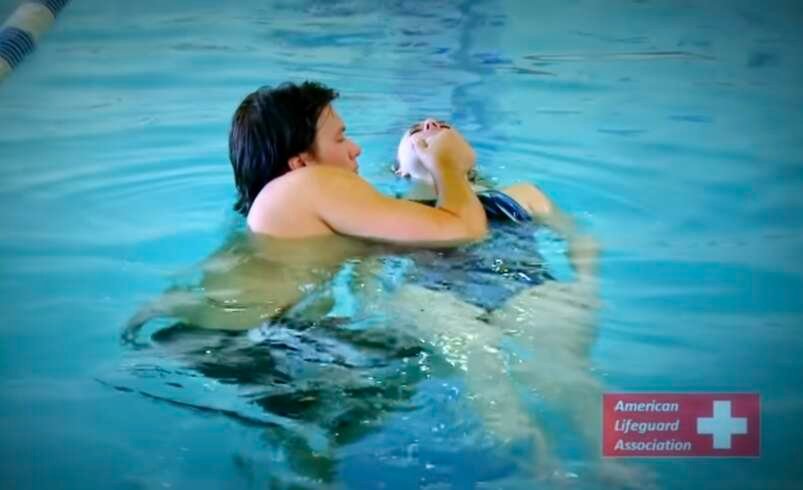
Experience plays a major role in becoming an effective lifeguard. Practical exercises allow students to apply classroom knowledge in controlled training environments.
During hands-on sessions, participants complete realistic rescue scenarios that simulate actual emergencies. These exercises improve reaction time, teamwork, and decision-making.
Instead of memorizing information, students gain valuable experience performing rescues under instructor supervision. This practical approach helps prepare them for real situations they may encounter while working at pools, beaches, or aquatic facilities.
What Should You Look for in the Best Lifeguard Course?
Not every training program offers the same level of instruction. Before enrolling, consider several important factors.
Experienced Instructors
Qualified instructors bring practical experience and provide valuable guidance throughout the training process.
Comprehensive Curriculum
A strong program includes:
- Water rescues
- CPR
- AED
- First Aid
- Emergency planning
- Rescue simulations
A complete curriculum prepares students for a wide variety of emergencies.
Hands-On Learning
The best programs emphasize practical skills through repeated rescue practice rather than relying solely on classroom instruction.
Flexible Scheduling
Many students balance school, work, and personal commitments. Flexible scheduling makes completing certification more convenient.
Certification Renewal Options
Lifeguards must maintain current certifications. Selecting an organization that also offers renewal courses makes it easier to keep credentials up to date.
How Long Does the Best Lifeguard Course Take?
Course length varies depending on the training format and certification requirements.
Many programs combine:
- Classroom instruction
- Online learning modules
- In-water practice
- Practical evaluations
- Written examinations
Students should expect to dedicate sufficient time to both learning and practicing rescue techniques. Completing all required assessments ensures they are prepared for real-world responsibilities rather than simply earning a certificate.
Why Practical Experience Matters More Than Memorization
Successful lifeguards rely on preparation, not guesswork.
During an emergency, there is little time to think through every step. Rescue techniques must become second nature through repeated practice. This is why practical training is such an important part of a high-quality lifeguard course.
Students who actively participate in rescue drills often feel more confident responding to emergencies after certification because they have already practiced similar situations in training.