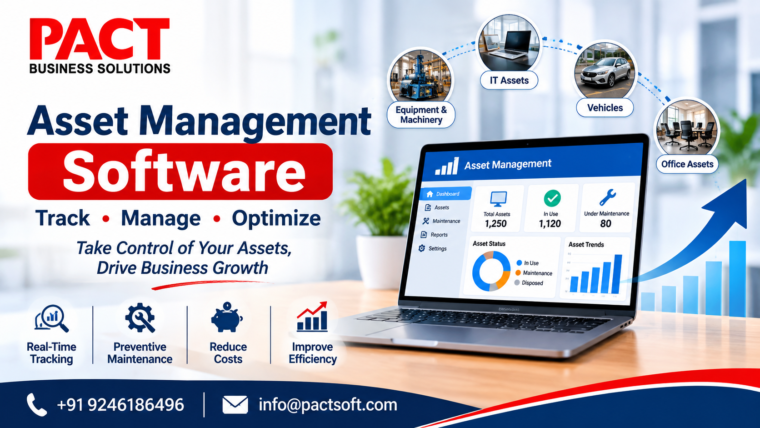

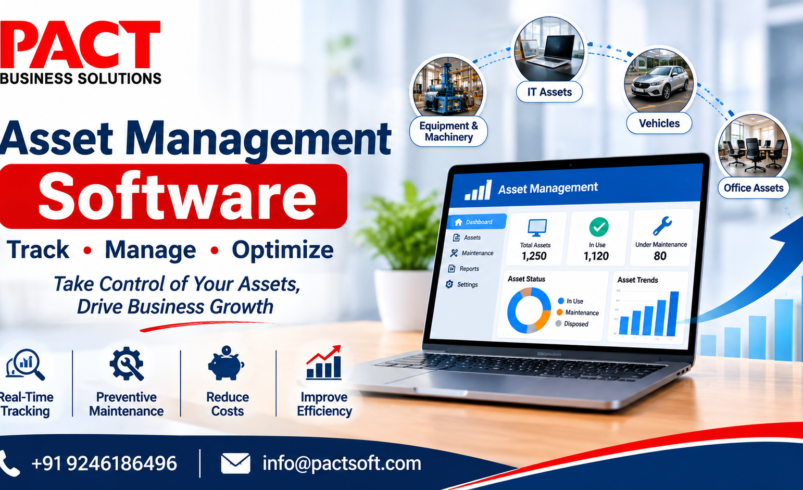

Growing a business is not just about getting more customers, hiring employees, or opening new branches. It is also about managing the resources you already have. As your business expands, keeping track of equipment, machinery, IT devices, vehicles, and other valuable assets becomes increasingly challenging.
This is where asset management software makes a real difference. It gives businesses a better way to organize, monitor, and manage their assets without depending entirely on spreadsheets or manual records.
When you have a clear understanding of what your business owns, where your assets are located, and how they are being used, making business decisions becomes easier.
Let’s explore how asset management software can help businesses build a stronger foundation for sustainable growth.
Why Asset Management Matters for Growing Businesses
When a business is small, managing assets manually may not seem like a problem. A few spreadsheets and regular updates might be enough to keep everything organized.
But as operations grow, things become more complicated. More employees, departments, equipment, and business locations mean more information to manage.
Without a proper system, businesses may experience:
- Difficulty tracking assets across different locations.
- Unnecessary purchases due to poor asset visibility.
- Delayed equipment maintenance.
- Missing or outdated asset records.
- Limited accountability among employees.
- Increased operational expenses.
These challenges can affect productivity and slow down business growth.
A structured asset management process helps businesses stay organized while preparing for future expansion.
How Asset Management Software Supports Business Growth
Managing assets effectively is not just an administrative responsibility. It directly influences how efficiently a business operates.
Here are some important ways asset management software supports growing organizations.
1. Keep All Asset Information Organized
Having asset information scattered across spreadsheets, emails, and paperwork makes everyday management difficult.
Asset management software brings important information together in one centralized platform. Businesses can maintain records of asset names, identification numbers, purchase dates, locations, assigned employees, and current conditions.
This makes it easier for teams to find information whenever they need it.
2. Improve Resource Utilization
Buying new equipment is not always the best solution when a department needs additional resources.
Sometimes, the required equipment is already available but sitting unused in another department or location.
With better asset visibility, businesses can identify available resources and make better use of existing investments before spending money on new purchases.
3. Reduce Operational Costs
Poor asset management can lead to duplicate purchases, unnecessary replacements, and unexpected repair expenses.
A reliable asset management system helps businesses monitor asset usage, track maintenance activities, and identify resources that are no longer being used effectively.
Over time, these improvements can help control operational spending.
4. Simplify Maintenance Management
Equipment breakdowns can interrupt daily operations and affect employee productivity.
Asset management software helps businesses maintain service histories, organize maintenance schedules, and monitor equipment conditions.
Regular maintenance planning can reduce avoidable breakdowns and help businesses get more value from their assets.
5. Improve Accountability
When employees use company equipment, businesses need to know who is responsible for each asset.
Assigning assets to employees or departments creates better accountability. It also simplifies asset transfers, handovers, and returns.
Why Businesses in India Should Invest in Asset Management Software
Businesses across India are expanding into new markets, opening multiple branches, and managing increasingly complex operations.
For these organizations, asset management software in India can help simplify asset tracking and improve operational visibility.
For example, manufacturing companies need to monitor machinery and production equipment. IT organizations need to manage computers, laptops, and other technology resources. Retail businesses need to track equipment across different stores.
Although their requirements differ, all these businesses benefit from having accurate and accessible asset information.
Choosing the right asset mgmt software can help businesses maintain centralized records, improve resource utilization, and make more informed purchasing decisions.
Features to Consider Before Choosing Asset Management Software
Before selecting a solution, businesses should understand their requirements and identify the features that can support their operations.
Some important features include:
| Feature | Business Benefit |
| Asset tracking | Helps locate and monitor assets. |
| Centralized records | Keeps asset information organized. |
| Maintenance management | Helps plan regular servicing. |
| Reporting and analytics | Supports informed decisions. |
| Employee assignment | Improves accountability. |
| Multi-location management | Simplifies tracking across branches. |
| Asset lifecycle management | Tracks assets from purchase to disposal. |
A good software management asset solution should also be easy to use, scalable, and suitable for your existing business processes.
Build a Growth-Ready Business with Smarter Asset Management
Business growth becomes easier when your operations are organized.
Before investing in additional equipment or expanding into new locations, take time to understand how effectively your current assets are being managed.
Are your resources being used properly? Can your team locate equipment quickly? Do you have accurate maintenance records? Can management access asset information without depending on multiple employees?
These questions can reveal opportunities to improve efficiency and reduce unnecessary expenses.
At PACT Business Solutions, businesses can explore smarter approaches to managing their resources and improving operational control.
Remember, sustainable business growth is not just about acquiring more resources. It is about managing existing resources better and making every business investment count.