
Choosing the right signboard can influence how customers recognise a business and perceive its brand. Some companies prefer three dimensional lettering for its depth and premium appearance, while others choose flat signboards for their simplicity and versatility. Businesses exploring Building Signage Ajman should compare both options based on visibility, installation location, design preferences, and budget before making a decision.
Both styles can communicate a business name, logo, or message effectively. However, their appearance, construction, lighting options, and practical applications differ. Understanding these differences helps business owners select signage that supports their branding and suits their commercial premises.
What Is 3D Lettering?
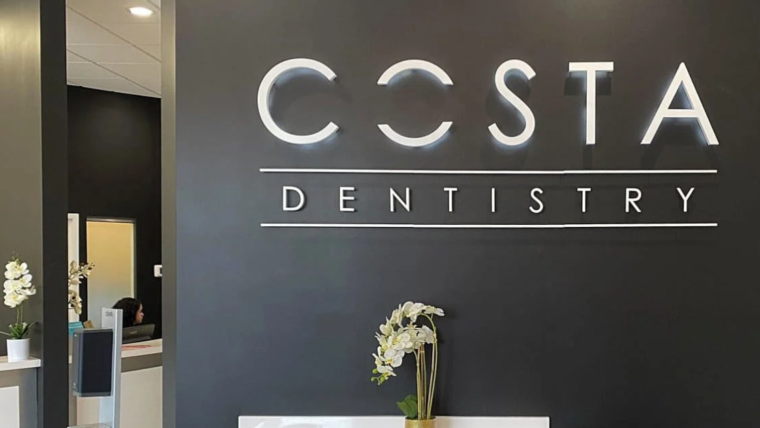
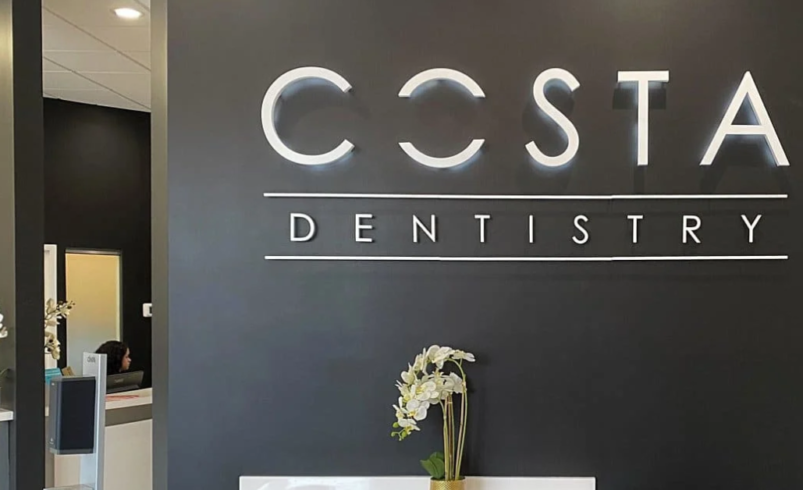
Three dimensional lettering consists of individual letters or shapes manufactured with visible depth. These letters can be produced using materials such as acrylic, aluminium, stainless steel, or other suitable materials.
Unlike flat printed lettering, 3D letters project from the mounting surface, creating depth and dimension. They are frequently used for shop names, office reception logos, building identification, and commercial storefronts.
Benefits of 3D Lettering
Premium appearance: The added depth can make business names and logos look distinctive and professional.
Design flexibility: Letters can be manufactured in different sizes, finishes, colours, and materials.
Lighting options: Suitable designs can incorporate front lighting, backlighting, or other illumination methods.
Strong brand presentation: Individual letters can highlight company names and logos without requiring a large printed background.
Where 3D Lettering Works Best
Three dimensional lettering is often suitable for office entrances, retail storefronts, hotel facades, showrooms, and reception areas. It works particularly well when a business wants its name or logo to become a prominent visual feature.
The final appearance depends on letter dimensions, material choice, spacing, lighting, and installation quality.
What Are Flat Signboards?
Flat signboards use a relatively level surface to display text, logos, graphics, or promotional messages. They can be manufactured using materials such as aluminium, acrylic, aluminium composite panels, and suitable printed substrates.
Businesses commonly use flat displays for shop fascia signs, directional information, promotional graphics, and general commercial identification.
Benefits of Flat Signboards
Versatile designs: Flat panels can accommodate text, logos, photographs, and more detailed graphics.
Efficient use of space: They provide a continuous surface for displaying several pieces of information.
Straightforward maintenance: Many flat signs are relatively easy to clean, depending on the material and finish.
Flexible applications: They can be used indoors and outdoors when the materials and construction suit the environment.
Where Flat Signboards Work Best
Flat signs are useful for retail promotions, business directories, information panels, building identification, and shop fascia displays. They are especially practical when a business needs to communicate several details on one surface.
3D Lettering vs Flat Signboards: Key Differences
The best option depends on the role the sign needs to perform.
Appearance and Visual Impact
Three dimensional letters create depth and may produce a more prominent appearance, particularly when viewed from an angle. They can help a company name stand out against a plain wall or building facade.
Flat signboards provide a consistent surface for graphics and text. Their appearance can range from simple and functional to highly detailed, depending on the design.
If the priority is highlighting a logo or business name, 3D lettering may be appropriate. If the sign needs to communicate multiple messages, a flat panel may be more practical.
Design Flexibility
Both options support custom branding, but they serve different design needs.
Three dimensional letters are effective for individual words, logos, and short brand messages. Flat panels provide more room for product information, contact details, directions, and promotional graphics.
Businesses should consider what customers need to understand at a glance before choosing a format.
Visibility and Readability
Visibility depends on more than the sign type. Letter size, contrast, placement, lighting, and viewing distance all influence readability.
Three dimensional letters can create visible shadows and depth. Flat signs can offer excellent readability when they use clear fonts, strong contrast, and a suitable layout.
For outdoor locations, businesses should assess how people approach the sign and how far away they will be when viewing it.
Material and Durability
Both styles can be manufactured from durable materials. Aluminium and stainless steel are commonly used for certain 3D letter designs, while acrylic can provide colourful or illuminated faces.
Flat signs may use aluminium composite panels, acrylic sheets, metal panels, or suitable printed materials.
Durability depends on material specifications, protective finishes, fabrication quality, weather exposure, and installation methods.
Installation Requirements
Individual 3D letters may require precise positioning and secure mounting for each letter. Illuminated versions also need appropriate wiring and access to electrical components.
Flat signboards may use frames, brackets, or direct mounting, depending on their size and construction.
The building surface, sign dimensions, wind exposure, and installation access should be assessed before work begins.
Which Option Is More Cost Effective?
Costs vary according to sign dimensions, materials, fabrication complexity, lighting, and installation conditions.
Flat signboards can be economical for businesses requiring large graphics or several pieces of information on a single panel. However, premium materials and complex printing can increase the overall cost.
Three dimensional lettering may require additional fabrication and installation work. The cost depends on letter depth, material, finish, lighting, and the number of individual characters.
Businesses considering sign and display Ajman solutions should compare complete project quotations rather than focusing only on the material price. The quotation should explain fabrication, mounting, electrical work where required, and any applicable installation costs.
Can 3D Lettering and Flat Signboards Be Combined?
Yes. Combining both formats can create a balanced signage design.
For example, a shop may use raised letters for its main business name and a flat panel underneath for contact details or service information. An office may display a dimensional logo on a reception wall while using flat directional signs throughout the building.
This approach allows businesses to highlight their brand identity while keeping practical information easy to read.
The two formats should share consistent colours, typography, and visual elements to maintain a unified appearance.
How to Choose the Right Signboard for Your Business
Before making a decision, consider these factors:
- Purpose: Decide whether the sign should primarily display a brand name, provide information, or promote products.
- Location: Assess whether it will be installed on a storefront, building facade, reception wall, or interior partition.
- Viewing distance: Choose lettering and dimensions that remain readable from the expected distance.
- Brand identity: Select a style that complements the company’s existing logo and visual design.
- Lighting: Determine whether illumination is necessary for evening visibility.
- Budget: Compare fabrication, installation, maintenance, and expected lifespan.
- Permissions: Check relevant property rules and local signage requirements before installation.
Reviewing these details helps businesses choose a sign that supports both branding and everyday communication.
Conclusion
Both 3D lettering and flat signboards can be effective for commercial branding. Three dimensional letters offer depth and a distinctive appearance, while flat panels provide flexibility for graphics, promotional messages, and detailed information. The right option depends on the business objective, installation environment, design requirements, and available budget.
For professional commercial signage in Ajman, Ajwaa Sign can help businesses explore display options suited to their branding and premises. Comparing materials, designs, and installation requirements before production helps ensure the finished sign meets practical and visual expectations.
Frequently Asked Questions
1. Is 3D lettering better than flat signboards?
Neither option is universally better. Three dimensional lettering highlights business names and logos, while flat signboards accommodate larger graphics and detailed information. The right choice depends on location, branding objectives, readability, and budget.
2. Which signboard is suitable for shopfronts?
Both formats can work well for shopfronts. Three dimensional letters create depth and visual prominence, while flat panels provide room for logos and additional information. Material selection and placement influence the final result.
3. Are 3D letters available with LED lighting?
Yes, suitable three dimensional letters can incorporate LED modules for front lighting or backlighting. The design must account for electrical safety, even illumination, maintenance access, and protection appropriate to the installation environment.
4. Are flat signboards cheaper than 3D lettering?
Flat signboards may cost less for some projects, but pricing depends on size, materials, printing, lighting, and installation. Comparing complete quotations provides a more accurate basis for selecting the right option.
5. Can businesses combine 3D lettering and flat signs?
Yes, businesses can combine raised lettering with flat panels to create attractive and informative displays. This approach highlights the brand name while providing space for contact details, service information, directions, or promotional messages.