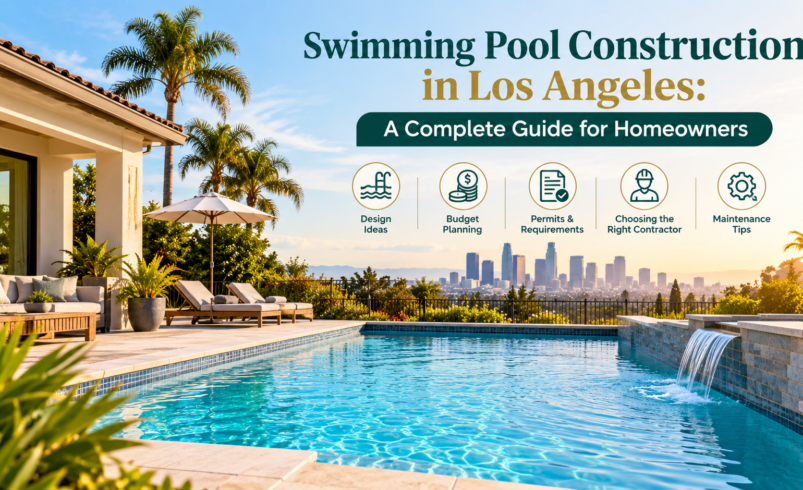

A swimming pool can transform an outdoor space into a relaxing retreat where families can spend time together, entertain guests, and enjoy the warm California weather. However, building a pool requires careful planning, thoughtful design, and an understanding of local requirements. Homeowners in Los Angeles should consider their available space, budget, property layout, and long-term maintenance needs before starting a project.
Understanding the construction process helps homeowners make informed decisions and avoid unnecessary delays. From choosing a suitable design to completing the final inspection, each stage plays an important role in creating a functional and attractive swimming pool.
Choose the Right Swimming Pool Design
The first step in any pool project is selecting a design that complements the property. Los Angeles homes feature different architectural styles, outdoor layouts, and landscape designs, so a pool should fit naturally into its surroundings.
In-ground pools are popular because they offer flexibility in shape, depth, and finish. Rectangular pools provide a clean, modern appearance, while freeform designs can create a more natural atmosphere. Smaller plunge pools may be suitable for compact yards where space is limited.
Homeowners should also consider how they intend to use the pool. Families with children may prioritize shallow areas and convenient entry points, while people who enjoy exercise may prefer a longer swimming area. Choosing the right design early helps establish a clear direction for the project.
Establish a Realistic Budget
Budget planning is an essential part of swimming pool construction. The total cost depends on factors such as pool size, excavation conditions, materials, equipment, landscaping, and additional features.
Beyond the initial construction expenses, homeowners should account for ongoing costs. These may include water treatment, electricity, cleaning equipment, routine maintenance, and repairs. Features such as heating systems, lighting, waterfalls, and automated controls can also affect the overall budget.
It is helpful to request detailed written estimates and clarify what each proposal includes. Comparing the scope of work, materials, warranties, and expected timelines provides a better understanding of the available options. Setting aside a contingency fund can also help manage unexpected expenses.
Understand Permits and Local Requirements
Before construction begins, homeowners should investigate applicable permits, building codes, and safety requirements. Swimming pool projects may involve rules concerning setbacks, barriers, electrical installations, plumbing, and drainage.
Requirements can vary according to the property’s location and the type of pool being installed. Homeowners should confirm the applicable rules with the relevant local building department rather than assuming that every project follows the same process.
If the property is part of a homeowners association, additional design or construction approvals may be necessary. Addressing these matters early can reduce the risk of delays, costly changes, or compliance problems later in the project.
Select Experienced Construction Professionals
Choosing a qualified contractor is one of the most important decisions homeowners make. An experienced professional can help coordinate design, excavation, structural work, plumbing, electrical installations, and finishing.
When researching pool construction in Los Angeles, homeowners should look for professionals with relevant experience, appropriate licensing, suitable insurance, and references from previous clients. Reviewing completed projects can help establish whether a contractor’s work matches the homeowner’s expectations.
Before signing an agreement, request a written contract that explains the project scope, payment schedule, materials, estimated timeline, warranty terms, and procedures for handling changes. Clear communication from the beginning can make the construction experience more manageable.
Prepare the Property for Construction
Once the design and necessary approvals are in place, the construction team can prepare the site. This stage may involve surveying, marking the pool layout, arranging equipment access, and identifying underground utilities.
Excavation follows the approved design. The team then completes the required structural work, installs plumbing and electrical systems, and prepares the pool for its selected interior finish. The exact sequence depends on the pool’s construction method and site conditions.
Homeowners should understand that weather, difficult soil conditions, utility conflicts, and inspection schedules can affect progress. Regular communication with the contractor helps everyone stay informed about the project’s status and any necessary adjustments.
Consider Energy Efficiency and Maintenance
A well-planned swimming pool should be practical to operate as well as attractive. Energy-efficient pumps, appropriate filtration systems, LED lighting, and pool covers can help reduce resource consumption and operating expenses.
The surrounding landscape also matters. Choosing suitable plants and planning drainage can help limit debris entering the water and protect the property from unwanted water accumulation.
Routine maintenance includes monitoring water chemistry, cleaning filters, removing debris, and inspecting equipment. Homeowners should discuss maintenance requirements before selecting pool finishes and mechanical systems. Understanding these responsibilities makes it easier to protect the investment over time.
Add Finishing Touches and Safety Features
The area surrounding a pool contributes significantly to its appearance and usability. Non-slip paving, comfortable seating, shade structures, and carefully selected outdoor lighting can create an inviting environment.
Safety should remain a priority throughout the design process. Appropriate barriers, secure access points, compliant drain systems, and any required alarms or other protective measures help reduce risks. Families should also establish clear pool rules and maintain active supervision around the water.
Before using the finished pool, homeowners should ensure that required inspections are complete and that the contractor has explained how to operate the equipment safely.
Conclusion
Swimming pool construction in Los Angeles involves much more than choosing a shape and filling it with water. Careful budgeting, appropriate permits, professional workmanship, efficient equipment, and thoughtful safety planning all contribute to a successful project.
By researching options, comparing qualified contractors, and maintaining clear expectations, homeowners can create an outdoor space that suits their lifestyle and property. A well-planned pool can provide years of enjoyment while complementing the home’s overall design.
Frequently Asked Questions
1. How long does swimming pool construction take in Los Angeles?
The timeline depends on the pool design, site conditions, permits, inspections, weather, and contractor scheduling. Homeowners should request a project-specific schedule before construction begins.
2. Do I need a permit to build a swimming pool in Los Angeles?
Many pool projects require permits and inspections. Requirements depend on the property and project details, so homeowners should confirm the applicable rules with the local building department.
3. What factors affect swimming pool construction costs?
Pool dimensions, materials, excavation, equipment, landscaping, safety features, and site accessibility can all influence the final cost.
4. How can I choose a reliable pool contractor?
Check relevant licensing, insurance, references, previous projects, written estimates, warranties, and contract terms before making a decision.
5. How can I reduce swimming pool maintenance costs?
Energy-efficient equipment, regular servicing, proper water chemistry, and a suitable pool cover can help reduce operating costs and prevent avoidable repairs.